Friday, March 6, 2015
Captain Rippey's CO
COLONEL HENRY SCHLEGEL SLAGLE was born in Lancaster County Pennsylvania in 1735 His father Christopher Slagle of Saxony came to Pennsylvania in 1713 and the following year took up a large tract of land on the Conestoga Creek and built a mill Subsequently he transferred his interests therein and removed in 1737 west of the Susquehanna locating near the present site of Hanover now within the limits of Adams County on Slagle's Run a branch of the Little Conewago Henry was one of four sons Daniel Jacob and Christopher and followed the occupation of his father a farmer and miller He was commissioned one of the provincial magistrates in October 1764 and continued in office by the convention of 1776 In December 1774 he served on the committee of inspection for York County commanded a battalion of Associators in 1779 was a member of the Provincial Conference of June 18 1776 and of the subsequent convention of the 15th of July He was appointed by the Assembly December 16 1777 to take subscriptions for the Continental loan November 22 1777 acted as one of the commissioners which met at New Haven Connecticut to regulate the price of commodities in the states He represented York County in the General Assembly from 1777 to 1779 appointed sub lieutenant of the county March 30 1780 one of the auditors of depreciation accounts for York County March 3 1781 member of the Constitutional Convention of 1789 90 commissioned by Governor Mifflin one of the associate judges of York County August 17 1791 and continued as such upon the organization of Adams County He represented the latter county in the Legislature sessions of 1801 2 Colonel Slagle died at his residence near Hanover his remains were interred in the graveyard adjoining St Matthew's Lutheran Church The various offices held by him show conclusively that he had the confidence of the community He was an ardent patriot a faithful officer and an upright citizen


Wednesday, March 4, 2015
Tyrone's Ditches
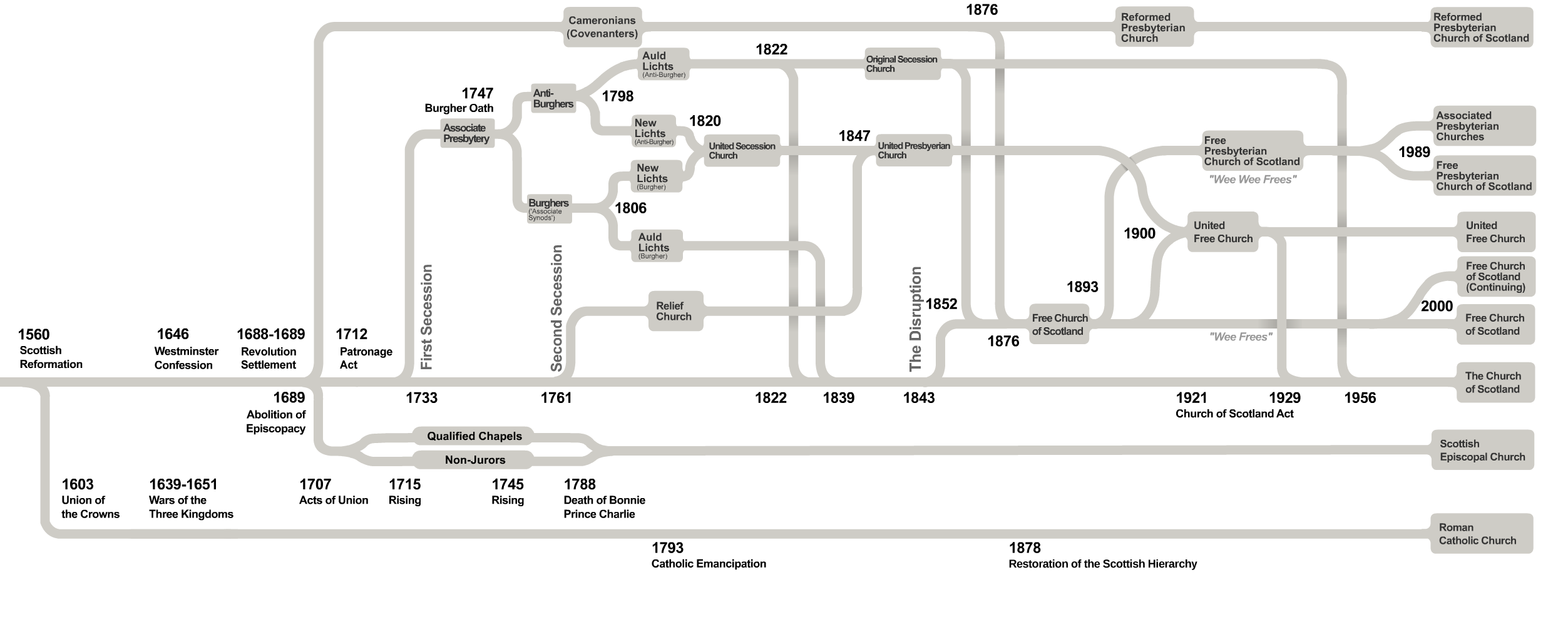
Michael Harshaw's family attended Tyrone Ditches Presbyterian Church, which appears to have been a Seceder Church. Whether the secession occurred in 1712, as the below says, or 1733, as this chart says. and this wikipedia entry says

The Secession Church was a branch of Presbyterianism that emerged
following a split in the Church of Scotland in 1712 over the issue of
official patronage. Before long it had gained a foothold in Ulster and
began to spread rapidly, especially in those areas where the
Presbyterian Church had hitherto not been as strong. The first
congregation was at Lylehill, near Templepatrick, in County Antrim. In
the nineteenth century nearly all of the Secession churches were
received into the Presbyterian Church in Ireland. Therefore, in the Guide to Church Recordscongregations that originated as Secession churches will be found listed as Presbyterian churches.
This book says that Tyrone's Ditches was one of these churches.
The Secession Presbyterian Church

Lylehill Presbyterian Church
This book says that Tyrone's Ditches was one of these churches.
Thursday, February 26, 2015
Marjorie's New Blog
At this blog Marjorie is posting stories on ancestors of the Robie (her husband) and Harshaw families. The first one was published this morning.
Friday, November 28, 2014
A Short Tale of Turkeys
Thanksgiving is over, but it's not too late to dredge up a memory of my uncle Mac. Or rather, it's not a memory of my uncle, whom I only saw a handful of times, but rather one of the few times I remember his older brother, my father, talking about him.
As described in other posts, Mac had gotten his PhD in animal nutrition. He taught for a year in Tennessee, then moved east in 1930 to take a job with the Agricultural Research Service, at the Beltsville MD research center. He stayed there for 13 or so years, before moving to Massachusetts to become director of research for the Webster feed company. I remember Dad had some small items, pencils, pocket calendar, that sort of stuff, all with the Webster name on them.
Anyhow, Dad said that Mac had worked on the Beltsville turkey. Finally got around to researching that and here's what the ARS site says (pdf). The gist is in the wikipedia site:
As described in other posts, Mac had gotten his PhD in animal nutrition. He taught for a year in Tennessee, then moved east in 1930 to take a job with the Agricultural Research Service, at the Beltsville MD research center. He stayed there for 13 or so years, before moving to Massachusetts to become director of research for the Webster feed company. I remember Dad had some small items, pencils, pocket calendar, that sort of stuff, all with the Webster name on them.
Anyhow, Dad said that Mac had worked on the Beltsville turkey. Finally got around to researching that and here's what the ARS site says (pdf). The gist is in the wikipedia site:
The Beltsville Small White was developed beginning in 1934 in response to market research that said consumers wanted a turkey of small to medium size with no dark pinfeathers. In a breeding program at the Beltsville Center that lasted from 1934 to 1941, the USDA used White Holland, White Austrian, Narragansett, Bronze, and Wild Turkey genetics. The breed was used commercially in the 1940s, and was recognized officially by the American Poultry Association in 1951.[2]To be honest, I've not seen a document linking Mac to the turkey, but then I've not specifically searched for one. He's certainly there at the right time and might well have focused on the nutrition of the new breed, among his other duties. But since Mac and John almost never wrote, dad would not have not detailed knowledge of his work.
As a result of being developed specifically for smaller, urban households, the breed never had the size to satisfy the demands of restaurants. By the 1970s, it had nearly disappeared, and the Broad Breasted White had come into prominence. It is still extremely rare today, and is listed as Critical by the American Livestock Breeds Conservancy.[2] It retains interest primarily among breed enthusiasts and those interested in a heritage turkey breed.
Wednesday, October 15, 2014
Ministers in Hague, NY for Summer
This piece from the Ticonderoga paper of Aug 18, 1898, reports that William and Ada were in Hague and W.R. preached a sermon at the W.M Church. The writer expressed the hope they'd build a cottage there before another year. Hague is a town on Lake George. From the other notes, it looks as if it was a popular summer resort for ministers.
The Harshaws were visiting "Capt. Mrs. Robinson". Whether she was a relative, friend, or just the hostess of the summer resort I don't know.
The Harshaws were visiting "Capt. Mrs. Robinson". Whether she was a relative, friend, or just the hostess of the summer resort I don't know.
Dr. Harshaw on the Minimum Wage
The Geneva newspaper picked up something from (presumably) W.R.Harshaw on the subject of fair wages for working women. (He was for, or at least didn't think women should engage in prostitution on the side to make up for low wages.) Can't copy the text, so you'll have to look at the link.
Wednesday, August 20, 2014
Harshaws in Pittston
August 1897, W.R. Harshaw to preach twice as summer replacement
Dec 23, 1904 Helen home from Elmira College for holidays (along with a friend)
Rev. Dr. Harshaw has been granted a leave of absehce for three months from his duties as pastor of the Presbyterian church, and, accompanied by his wife, will spend the time in taking a foreign tour that will not only be full of pleasure, but will also be very attractive from an educational point of view. Although the leave of absence does not begin until Feb. 1st, the session of the church is already making preparations to supply the pulpit during the absence of the paBtor and Dr. Harshaw and wife are laying plans for their trip. They expect to become members of the Clark excursion party which will leave New York on Feb. 8th on a trip to the Holy Land. The arrangements for this trip are of a most extensive and complete character. The Clark brothers, who are managing the excursion, are experienced men in the business. The firm is composed of two brothers, one of whom is a resident of New York city, while the other is the United States consul at Jerusalem. They are thus well situated to manage trips to the Holy Land, and the one next year will be their fourth. Some 800 people from various parts of the country are booked for the excursion, and the new White Star steamer Celtic has been engaged for the entire tour. This boat is not built for speed, but its equipment is exceptionaHy fine, and the fact that it is built to accommodate more than 1.300 passengers ensures an abundance of room and accommodation* for the 800 who comprise the Clark party. All of the principal points of interest throughout the Holy Land will be visited, and when it is necessary to make trips Inland, the excursion steamer will await the party at the nearest port. On the return trip, Dr. and Mrs. Harshaw are planning to leave the excursion party at Rome, in order to take advantage of the opportunity to make a tour through the continent of Europe. They have never crossed the ocean, and they anticipate a most delightful journey among historic scenes of which they have read much but have never seen. Sept 11, 1901
Nov. 28, 1902 WR to deliver 2nd lecture Palestine on Horseback
>The Comet, the monthly publication edited by the pupils of the WeBt Pittston high school, made Its appearance for, the present school year yesterday afternoon. With this issue the magazine enters upon its third year as a printed journal, although for many years previous the paper was written and read to thg student body. The contents are on various themes and the general makeup of the publication, the typographical work and the literary work show Improvement over previous issues. The contents are: "Selfishness is the Mainspring of Human Activity," a debate, Charlotte Lindsay and Helen Kerr; "My Favorite Character in Fiction," Isabel N. Cosper; "The Story of Hiawatha's Wooing," Sophia Edgar; editorials; Castalia notes; "Relation of Mythology to Grecian Art." ; "Henderson Dilfer and His Didoes," a story, by George Compton; "Hallowe'en Customs," a sketch, by Anna S. Horton; "Popular Superstitions are Groundless," Marjorie Wall; "Cribbing and Its Result," Leona Stanton; Personals; School Notes; and Exchanges. The Comet stafT is composed of Burt Lewis, editor In chief; Muriel Weston, literary editor; Florence Gingell, personal editor; Sophia Edgar, exchange editor; . society editor; Mary Perrin, school notes editor; Prof. Biprly, financial manager; Belin Mercur, business manager.
May 30, 1903
The honors of the graduating class at the high school have been announced. Miss Helen Harshaw being valedictorian and Miss Florence Gingull, salutatorian
At the Presbyterian church, tomorrow. the (services will be hold at the usual hours. Pastor Harshaw will preach ou "The Potter ami the Clay" in the morning, taking as hisN text the words, "We are the clay and Thou our poltcr; and we all are the work of thy hands."—Isaiah 64: 8. The pastor will discuss the question, "Can a Business Man be a Christian?" at the evening preaching session, and the basis of his remarks will be Proverbs Ti. 29
Dec. 16, 1906
Miss Helen Harshaw, daughter of Kev. and Mrs. W. U. Harshaw, is home from 151 mint college to spend Ihe holidays at the home of her parents. She was accompanied home by Miss Kathryn Branson, of Trinidad, Colo., a student at the college, who will be her guest during the mid-term
Dec 23, 1904 Helen home from Elmira College for holidays (along with a friend)
Rev. Dr. Harshaw has been granted a leave of absehce for three months from his duties as pastor of the Presbyterian church, and, accompanied by his wife, will spend the time in taking a foreign tour that will not only be full of pleasure, but will also be very attractive from an educational point of view. Although the leave of absence does not begin until Feb. 1st, the session of the church is already making preparations to supply the pulpit during the absence of the paBtor and Dr. Harshaw and wife are laying plans for their trip. They expect to become members of the Clark excursion party which will leave New York on Feb. 8th on a trip to the Holy Land. The arrangements for this trip are of a most extensive and complete character. The Clark brothers, who are managing the excursion, are experienced men in the business. The firm is composed of two brothers, one of whom is a resident of New York city, while the other is the United States consul at Jerusalem. They are thus well situated to manage trips to the Holy Land, and the one next year will be their fourth. Some 800 people from various parts of the country are booked for the excursion, and the new White Star steamer Celtic has been engaged for the entire tour. This boat is not built for speed, but its equipment is exceptionaHy fine, and the fact that it is built to accommodate more than 1.300 passengers ensures an abundance of room and accommodation* for the 800 who comprise the Clark party. All of the principal points of interest throughout the Holy Land will be visited, and when it is necessary to make trips Inland, the excursion steamer will await the party at the nearest port. On the return trip, Dr. and Mrs. Harshaw are planning to leave the excursion party at Rome, in order to take advantage of the opportunity to make a tour through the continent of Europe. They have never crossed the ocean, and they anticipate a most delightful journey among historic scenes of which they have read much but have never seen. Sept 11, 1901
Nov. 28, 1902 WR to deliver 2nd lecture Palestine on Horseback
>The Comet, the monthly publication edited by the pupils of the WeBt Pittston high school, made Its appearance for, the present school year yesterday afternoon. With this issue the magazine enters upon its third year as a printed journal, although for many years previous the paper was written and read to thg student body. The contents are on various themes and the general makeup of the publication, the typographical work and the literary work show Improvement over previous issues. The contents are: "Selfishness is the Mainspring of Human Activity," a debate, Charlotte Lindsay and Helen Kerr; "My Favorite Character in Fiction," Isabel N. Cosper; "The Story of Hiawatha's Wooing," Sophia Edgar; editorials; Castalia notes; "Relation of Mythology to Grecian Art." ; "Henderson Dilfer and His Didoes," a story, by George Compton; "Hallowe'en Customs," a sketch, by Anna S. Horton; "Popular Superstitions are Groundless," Marjorie Wall; "Cribbing and Its Result," Leona Stanton; Personals; School Notes; and Exchanges. The Comet stafT is composed of Burt Lewis, editor In chief; Muriel Weston, literary editor; Florence Gingell, personal editor; Sophia Edgar, exchange editor; . society editor; Mary Perrin, school notes editor; Prof. Biprly, financial manager; Belin Mercur, business manager.
May 30, 1903
The honors of the graduating class at the high school have been announced. Miss Helen Harshaw being valedictorian and Miss Florence Gingull, salutatorian
At the Presbyterian church, tomorrow. the (services will be hold at the usual hours. Pastor Harshaw will preach ou "The Potter ami the Clay" in the morning, taking as hisN text the words, "We are the clay and Thou our poltcr; and we all are the work of thy hands."—Isaiah 64: 8. The pastor will discuss the question, "Can a Business Man be a Christian?" at the evening preaching session, and the basis of his remarks will be Proverbs Ti. 29
Dec. 16, 1906
Miss Helen Harshaw, daughter of Kev. and Mrs. W. U. Harshaw, is home from 151 mint college to spend Ihe holidays at the home of her parents. She was accompanied home by Miss Kathryn Branson, of Trinidad, Colo., a student at the college, who will be her guest during the mid-term
Sunday, August 17, 2014
The Orsons
Mary Orson was my great great great grandmother. Her ancestry grows foggy, though this is a 2008 description of what I thought we knew then. Since then there's evidence which points to the Orsons coming from Leicestershire, perhaps Bottesford.
In doing a google search I came across this link. I'm sure the explanation of the "Orson" name is apocryphal.
In doing a google search I came across this link. I'm sure the explanation of the "Orson" name is apocryphal.
Saturday, August 16, 2014
W.R.Harshaw on Libraries
William R. Harshaw wrote an article for Outlook Magazine in June 1901 on the West Pittston library. The article was reprinted in the Pittston Gazette on July 9, 1901. He's very concerned about getting people to read only the "best" and rather snobbishly dismissive of Pittston, which was more immigrant coal miners while West Pittston was more professional and managerial. But for all his dated attitudes, he apparently was a driving force behind rejuvenating the library.
Theodore Roosevelt wrote for the magazine, which was not one of the muckraking mags.
Theodore Roosevelt wrote for the magazine, which was not one of the muckraking mags.
Thursday, August 14, 2014
The Galum Postmaster: Michael Harshaw
Michael Harshaw was appointed postmaster at Galum, IL on Jan 21, 1862. Abraham Lincoln had been postmaster some 30 years earlier and got paid about $20 a quarter. I don't know the basis--whether it was a flat salary or based on the money the postmaster collected.
Ancestry has a some explanation . As noted, the appointment was political (remember the movie "Lincoln") which links up with grandfather's bio of Michael.
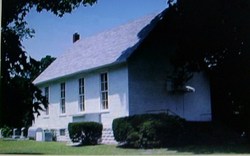
But why "Galum"? Cutler, IL was only developed when the railroad came through, which was after 1862. My only clue is a "Galum Church Road" which currently runs west from the Pinckneyville area towards Cutler. Today it ends in an area which was mined, but assuming it was a continuous route in 1862 it would be route 15 which runs just north of Cutler, near the original location of Michael's church.
So was Michael's church the original "Galum Church? No, it seems there was a Galum church founded in 1854 near Pinckneyville which burned down in 2005,but the cemetery still remains. So where was the postoffice, near the Galum church or the Cutler church. Not clear.
Ancestry has a some explanation . As noted, the appointment was political (remember the movie "Lincoln") which links up with grandfather's bio of Michael.
But why "Galum"? Cutler, IL was only developed when the railroad came through, which was after 1862. My only clue is a "Galum Church Road" which currently runs west from the Pinckneyville area towards Cutler. Today it ends in an area which was mined, but assuming it was a continuous route in 1862 it would be route 15 which runs just north of Cutler, near the original location of Michael's church.
So was Michael's church the original "Galum Church? No, it seems there was a Galum church founded in 1854 near Pinckneyville which burned down in 2005,but the cemetery still remains. So where was the postoffice, near the Galum church or the Cutler church. Not clear.
Thursday, August 7, 2014
The West Pittston Library and W.R.Harshaw I
Ms Anne Barr, director of the West Pittston Library, made connections with me through this blog. We talked on the phone today. Briefly it seems that grandfather, William R. Harshaw, was quite involved with the library's affairs, as reflected in the minutes of the library association. She will be sharing information on his involvement with me and I will pass it on (hence the "I").
The library website also provides access to digitized copies of some issues of the Pittston Gazette. The first mention of W.R.Harshaw is on the occasion of the first use of the new church building, February 26, 1892. He preached twice. A mystery though--why is he described as of Columbus, Ohio? Perhaps a correspondent's mistake, because he was of New York City then.
The library website also provides access to digitized copies of some issues of the Pittston Gazette. The first mention of W.R.Harshaw is on the occasion of the first use of the new church building, February 26, 1892. He preached twice. A mystery though--why is he described as of Columbus, Ohio? Perhaps a correspondent's mistake, because he was of New York City then.
Wednesday, July 23, 2014
Gottleib Mittelberger and Pennsylvania of 1750
Stumbled on this pdf file of Gottleib Mittelberger's description of his journey to PA in 1750 and the conditions there (he eventually returned to Germany). Provides some context for the Rippeys and Orsons.
Monday, July 14, 2014
Jonas Lighty, His Background, and the "Flying Camp"
Jonas Lighty, who left Mary Orson his estate, was, I believe, headed for the "flying camp" which wikipedia has an article on. (It's a step towards a Continental army.)
And I quote from a message on the Lighty family message board.
And I quote from a message on the Lighty family message board.
John Lighty is my great-great-great-great grandfather. He was the son of Christian and Catharine Leyty (correct spelling) who emigrated from Switzerland in 1737 and purchased a patent from Penn for 200 acres in Lancaster County, later to be York County, in Washington Township (There still remains in the Lighty name, 50 acres of that original patent purchase). They settled in the East Berlin (York and Adams County) area with three other families (Asper, Leas & Malaun) in 1741. John had a younger brother, Jonas, who died as a Revolutionary War soldier in 1776. The York County Historical Society has copies of the Wills of Christian and Jonas. The York County Register of Wills had at one time, copies of the Wills of Christian and John. John's estate record listed his death date as November 30, 1803, having died in Washington Township, York County, PA. I'm sorry that I do not have a burial location. My line follows Abraham. I am familiar with other lines. If you are still interested, please supply an updated email address, as the one on file for this site is not current.
Friday, July 11, 2014
Rev. Michael and the Reformed Presbyterians
The Reformed Presbyterian Synod met in Pittsburgh on May 25, 1868 with Rev. Michael Harshaw in attendance and speaking. The Pittsburgh paper reports their deliberations, which seem stormy. Though the exact issue isn't clear it's possible that it was united with the larger Presbyterian church. (Much discussion about reunion after the Civil War.)
Rev. Michael leaves the Reformed and joins the United in 1870.
Rev. Michael leaves the Reformed and joins the United in 1870.
Subscribe to:
Posts (Atom)